

Table of Contents
- Why Buying Authentic Gemstones Is Harder Than It Looks
- Gemstone Certification Explained: GIA, AGL, and What Reports Actually Tell You
- How to Identify Real Gemstones Before You Buy
- How to Verify Online Seller Credentials for Authentic Gemstones
- Best Metaphysical Shops for Crystals: What to Expect In-Store
- Ethically Sourced and Conflict-Free Stones: Why It Matters
- Care and Maintenance of Fine Gemstones and Crystals
- Conclusion
Last Updated: August 28, 2026
Buying authentic gemstones is genuinely difficult, and the market is full of misrepresentation that even experienced buyers miss. This guide covers everything from reading gemological reports to verifying online seller credentials, so you can shop with confidence whether you're building a crystal collection or sourcing stones for custom jewelry.
The bigger risk isn't buying fakes, it's buying a real stone that's been heavily treated, misrepresented in origin, or wildly overpriced without independent verification. Knowing where to buy authentic gemstones matters just as much as knowing what to look for.
Quick Picks:
- Best for in-person trust: Established metaphysical shops with knowledgeable staff and curated inventory
- Best for fine gems: Certified dealers who supply GIA or AGL reports with every sale
- Best for ethical sourcing: Retailers who disclose origin, treatment history, and supplier relationships
Why Buying Authentic Gemstones Is Harder Than It Looks
The gemstone market sits at an unusual intersection of science, artistry, and spirituality. Treatments like heat enhancement, fracture filling, and irradiation are so common that many sellers don't disclose them, either because they don't know or because disclosure would reduce the sale price.
Synthetic stones add another layer of complexity. A lab-created ruby is chemically identical to a natural one but carries a fraction of the market value. Without proper documentation, distinguishing the two requires specialized equipment most buyers don't have.
The online marketplace compounds everything. Product photos are carefully staged, descriptions are vague, and return policies are buried in fine print. Many listings use language like "natural" or "genuine" without specifying whether a stone has been treated, enhanced, or assembled from multiple pieces.
Never buy a significant gemstone without documentation, and always verify seller credentials before purchasing.
Gemstone Certification Explained: GIA, AGL, and What Reports Actually Tell You
Gemstone certification is a written assessment from an independent gemological laboratory that documents a stone's identity, quality characteristics, and any treatments detected. The two most respected labs in the United States are the Gemological Institute of America and the American Gemological Laboratories.
According to the Gemological Institute of America's grading standards, a GIA report for colored stones documents species, variety, weight, dimensions, color grade, and any clarity or color-enhancement treatments identified during examination. For diamonds, the GIA's 4Cs grading system (cut, color, clarity, and carat weight) is the global benchmark.
AGL reports often include country of origin determinations and detailed treatment disclosure. For high-value rubies, sapphires, and emeralds, an AGL report is often considered the gold standard because origin significantly affects value.
A certificate confirms what the stone is; it doesn't tell you what it's worth today. That's where independent appraisals come in.
Treatment Disclosures: What Sellers Are Required to Tell You
Treatment disclosure is a legal requirement in the United States under Federal Trade Commission guidelines. The FTC jewelry guides on gemstone treatment disclosure require sellers to disclose any treatment that has a significant effect on value, is not permanent, or requires special care. Heat treatment of sapphires, for example, must be disclosed because it directly affects pricing.
In practice, enforcement is inconsistent. Many online sellers use vague language like "natural color" when a stone has been irradiated, or omit fracture-filling disclosures entirely. Natural simply means the stone formed in the earth rather than a laboratory, it doesn't mean untreated.
Ask any seller directly: "Has this stone been treated in any way, including heat, fracture filling, irradiation, or coating?" A reputable retailer will answer clearly. Evasiveness is a red flag.
The Role of Independent Appraisals
An independent appraisal from a credentialed appraiser, particularly one certified by the American Society of Jewelry Appraisers, tells you the replacement value of the stone in the current market and provides a second set of expert eyes on any documentation the seller provided.
For any purchase above a few hundred dollars, commission an independent appraisal before finalizing the sale. The cost is minor relative to the protection it provides.
How to Identify Real Gemstones Before You Buy
Identifying authentic gemstones before purchase comes down to a combination of physical testing, documentation review, and seller scrutiny.
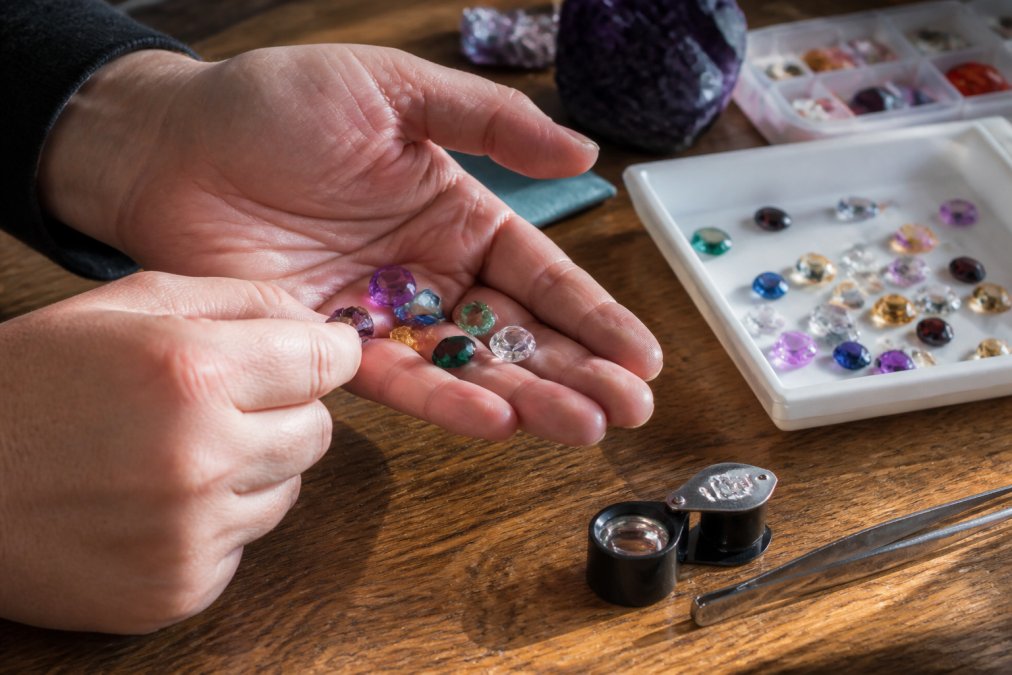
A 10x loupe is the most practical tool for in-person examination. Natural stones typically show inclusions, growth patterns, or minor irregularities that are absent in synthetic or glass imitations. Perfectly flawless stones at low price points are almost always synthetic or glass.
Temperature is another quick check. Genuine gemstones conduct heat differently than glass or plastic. A real stone feels cool to the touch and warms slowly; glass and plastic reach body temperature almost immediately.
For harder stones like sapphire and ruby, the Mohs hardness scale provides useful guidance. A genuine corundum stone rates 9 on the Mohs scale and will not scratch easily.
Natural vs. Lab-Created vs. Synthetic: Knowing the Difference
A natural gemstone formed through geological processes in the earth without human intervention. Natural stones may be untreated or treated.
A lab-created gemstone has the same chemical composition, crystal structure, and optical properties as its natural counterpart but was grown in a controlled laboratory environment. Lab-created sapphires and emeralds are real gemstones, not fakes, simply not natural.
A synthetic stone in gemological terminology specifically means a material with a natural counterpart. Glass imitations and cubic zirconia are simulants, not synthetics, because they have no natural equivalent.
The price difference between natural and lab-created stones can be substantial. For investment purposes, natural untreated stones with origin documentation command the highest values.
Factors That Affect Gemstone Value
| Factor | What It Means | Why It Matters |
|---|---|---|
| Carat weight | Measured weight of the stone | Larger stones are exponentially rarer and more valuable |
| Color saturation | Intensity and purity of hue | The primary value driver for colored gemstones |
| Clarity | Absence of inclusions or fractures | Affects brilliance and structural integrity |
| Cut quality | Precision of facets and proportions | Determines how light interacts with the stone |
| Treatment status | Whether the stone has been enhanced | Untreated stones command significant premiums |
| Gemstone origin | Country or region of formation | Kashmir sapphires and Burmese rubies carry origin premiums |
Gemstone clarity and color saturation are the two factors that move prices most dramatically for colored stones.
How to Verify Online Seller Credentials for Authentic Gemstones
Most online gemstone fraud doesn't involve outright fakes but misrepresentation of quality, treatment status, or origin. Verifying seller credentials is your first line of defense.
Start with professional memberships. Reputable retailers typically hold memberships with organizations like the American Gem Trade Association or the Jewelers of America. These organizations have codes of ethics and, in some cases, dispute resolution processes.
Check for a physical address and phone number. Sellers who operate only through a marketplace account with no verifiable business identity are higher risk. Search the business name through the Better Business Bureau and look for patterns in negative reviews, particularly complaints about misrepresentation.
For loose gemstones sold online, request the following before purchasing:
- A copy of any gemological report, including the lab name and report number
- High-resolution photos in natural light
- Disclosure of all known treatments in writing
- Clear return policy with specific terms for misrepresentation
Best Metaphysical Shops for Crystals: What to Expect In-Store
For Heaven's Sake is our top recommendation for anyone seeking authentic gemstones and crystals through a trusted, in-person experience. With two locations serving the Denver metro area, established in 2000, and over 900 five-star reviews on Google, For Heaven's Sake has built a reputation that speaks for itself. As a minority woman-owned independent business, the shop brings a community-focused perspective to every transaction.
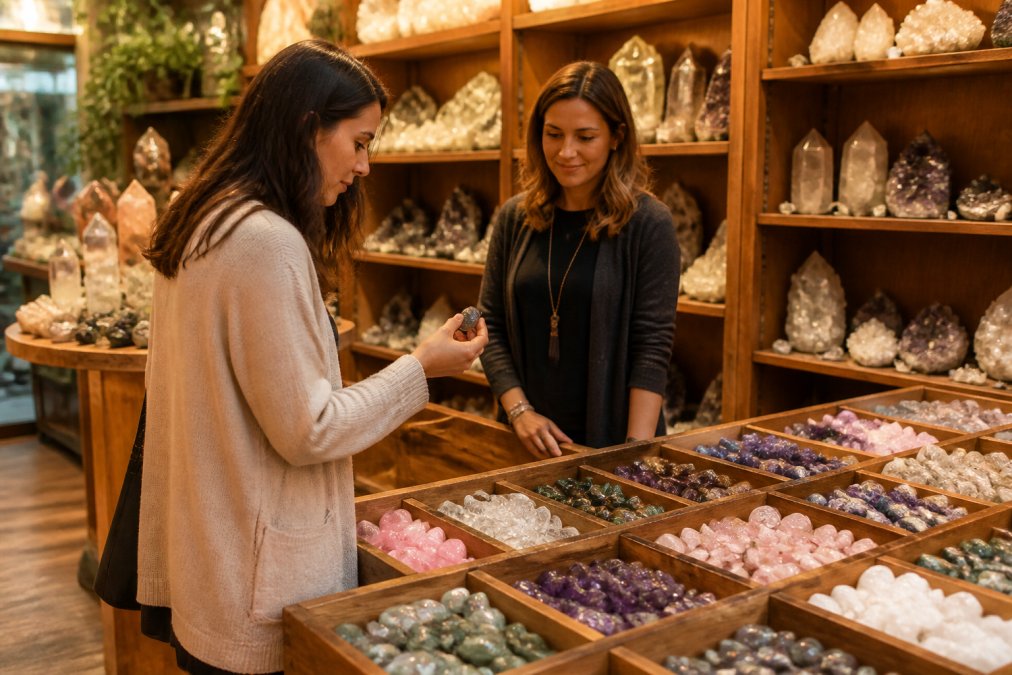
What separates a quality metaphysical shop from a generic retailer is knowledgeable staff who can speak to the properties, origins, and quality differences between stones. When visiting any metaphysical retailer, look for staff who can answer specific questions about stone origin and treatment history, clearly labeled inventory with accurate gemstone names, a curated selection that prioritizes quality over volume, and transparency about sourcing.
The in-person advantage for buying authentic gemstones is significant. You can examine stones directly, ask questions in real time, and develop a relationship with staff who know the inventory. For anyone who has bought crystals online and felt uncertain about what arrived, visiting a reputable physical shop like For Heaven's Sake is the clearest path to building confidence.
Ethically Sourced and Conflict-Free Stones: Why It Matters
Ethical sourcing in the gemstone industry is a genuine and ongoing challenge. Unlike diamonds, which fall under the Kimberley Process Certification Scheme, most colored gemstones have no equivalent international tracking system. According to the Responsible Jewellery Council's standards for ethical gemstone sourcing, supply chain transparency for colored stones remains inconsistent across the industry.
Conflict-free sourcing matters for human welfare and buyer confidence. Gemstones from certain regions have historically been linked to labor exploitation and armed conflict. Buying from retailers who can document their supply chain reduces the risk of supporting those conditions.
Practical questions to ask any seller about ethical sourcing:
- Can you tell me which country this stone came from?
- Do you work directly with miners or through brokers?
- Do your suppliers have any third-party ethical certifications?
Many smaller retailers who specialize in ethically sourced gemstones work directly with artisanal mining cooperatives and can provide detailed origin documentation.
Care and Maintenance of Fine Gemstones and Crystals
Proper care extends the life and appearance of any gemstone. The Mohs hardness scale is the most practical guide for understanding how durable a stone is in daily use.
Stones rated 7 or above on the Mohs scale, including quartz, topaz, sapphire, and diamond, handle everyday handling and cleaning reasonably well. Stones below 7, including calcite, fluorite, and many popular crystals like selenite and celestite, require more careful handling and should never be cleaned with abrasive materials.
General care guidelines for gemstones and crystals:
- Cleaning: Use lukewarm water and a soft brush for most stones. Avoid ultrasonic cleaners for included stones, fracture-filled gems, or anything with a coating.
- Storage: Store stones individually or wrapped in soft cloth to prevent scratching.
- Light and heat: Prolonged exposure to direct sunlight can fade color in amethyst, kunzite, and some tourmalines.
- Chemical exposure: Remove jewelry before using cleaning products, swimming in chlorinated water, or applying perfume or lotions.
The American Gem Society's gemstone care guide provides detailed care instructions organized by stone type.
| Gemstone | Mohs Hardness | Safe Cleaning Method | Avoid |
|---|---|---|---|
| Diamond | 10 | Warm water, soft brush | Nothing typical |
| Sapphire / Ruby | 9 | Warm water, soft brush | Ultrasonic if fractured |
| Emerald | 7.5-8 | Damp cloth only | Ultrasonic, steam |
| Amethyst / Quartz | 7 | Warm water, soft brush | Prolonged sunlight |
| Selenite | 2 | Dry cloth only | Water, humidity |
| Calcite | 3 | Dry cloth only | Acids, abrasives |
Buying authentic gemstones takes patience, documentation, and a seller you can actually trust. The verification steps in this guide, from reading gemological reports to commissioning independent appraisals, protect you from the most common misrepresentation in the market. For anyone in the Denver metro area, For Heaven's Sake offers an extensive collection of crystals, jewelry, and ceremonial supplies, backed by knowledgeable staff and a community-first approach that's been earning five-star reviews since 2000. Go Shopping at either our North Denver or Lakewood location and experience the difference that genuine expertise and ethical curation make.
=== FAQ ANSWERS (audit these too, same rules) ===
[1] Q: How do I know if a gemstone is real? A: Several physical tests help confirm authenticity. Real gemstones feel cold to the touch and warm slowly, while glass or plastic warms quickly. A loupe or jeweler's magnifier can reveal natural inclusions that synthetic stones often lack. Checking the Mohs hardness scale rating against a scratch test is another method. The most reliable confirmation comes from a gemological report issued by a recognized lab like GIA or AGL, which documents the stone's refractive index, clarity, and origin.
[2] Q: Is it safe to buy gemstones online? A: Buying authentic gemstones online is safe when you verify seller credentials first. Look for retailers who provide third-party gemstone certification, clearly disclose any heat treatment or enhancement, and offer a return policy. Read independent reviews on platforms outside the seller's own site. If a listing lacks a gemological report or treatment disclosure, ask before purchasing. For precious stones above a certain value, always request an independent appraisal after receiving the stone to confirm it matches the description.
[3] Q: What are the signs of a synthetic or imitation gemstone? A: Synthetic stones are chemically identical to natural ones but grown in a lab, while imitation stones are entirely different materials made to look similar. Signs of an imitation include bubbles visible under magnification, uniform color with no variation, and a lightweight feel compared to genuine precious stones. Lab-created gemstones are harder to spot without equipment. A gemological report will specify whether a stone is natural, lab-created, or treated, which is why certification matters when buying loose gemstones.
[4] Q: Are metaphysical shops reliable for purchasing gemstones? A: Reputable metaphysical shops that specialize in crystals and spiritual supplies often carry authentic gemstones and can speak knowledgeably about each stone's origin and properties. The advantage of buying in person is that you can examine color saturation, surface quality, and facet quality directly. Look for shops with verifiable customer reviews, transparent sourcing practices, and staff who can answer questions about ethically sourced inventory. Established stores with a long track record and strong community reputation are generally the most trustworthy option.
[5] Q: What should I look for when buying authentic gemstones? A: Start with gemstone certification from a recognized lab, which confirms authenticity and discloses any treatment. Examine carat weight, gemstone clarity, and color saturation in person or through detailed seller photos. Ask specifically whether the stone has undergone heat treatment or other enhancement, as sellers are expected to disclose this. For fine jewelry or investment-grade stones, commission an independent appraisal after purchase. Buying from a reputable retailer with consistent reviews and a clear return policy reduces risk significantly.
Frequently Asked Questions
How do I know if a gemstone is real?
Several physical tests help confirm authenticity. Real gemstones feel cold to the touch and warm slowly, while glass or plastic warms quickly. A loupe or jeweler's magnifier can reveal natural inclusions that synthetic stones often lack. Checking the Mohs hardness scale rating against a scratch test is another method. The most reliable confirmation comes from a gemological report issued by a recognized lab like GIA or AGL, which documents the stone's refractive index, clarity, and origin.
Is it safe to buy gemstones online?
Buying authentic gemstones online is safe when you verify seller credentials first. Look for retailers who provide third-party gemstone certification, clearly disclose any heat treatment or enhancement, and offer a return policy. Read independent reviews on platforms outside the seller's own site. If a listing lacks a gemological report or treatment disclosure, ask before purchasing. For precious stones above a certain value, always request an independent appraisal after receiving the stone to confirm it matches the description.
What are the signs of a synthetic or imitation gemstone?
Synthetic stones are chemically identical to natural ones but grown in a lab, while imitation stones are entirely different materials made to look similar. Signs of an imitation include bubbles visible under magnification, uniform color with no variation, and a lightweight feel compared to genuine precious stones. Lab-created gemstones are harder to spot without equipment. A gemological report will specify whether a stone is natural, lab-created, or treated, which is why certification matters when buying loose gemstones.
Are metaphysical shops reliable for purchasing gemstones?
Reputable metaphysical shops that specialize in crystals and spiritual supplies often carry authentic gemstones and can speak knowledgeably about each stone's origin and properties. The advantage of buying in person is that you can examine color saturation, surface quality, and facet quality directly. Look for shops with verifiable customer reviews, transparent sourcing practices, and staff who can answer questions about ethically sourced inventory. Established stores with a long track record and strong community reputation are generally the most trustworthy option.
What should I look for when buying authentic gemstones?
Start with gemstone certification from a recognized lab, which confirms authenticity and discloses any treatment. Examine carat weight, gemstone clarity, and color saturation in person or through detailed seller photos. Ask specifically whether the stone has undergone heat treatment or other enhancement, as sellers are expected to disclose this. For fine jewelry or investment-grade stones, commission an independent appraisal after purchase. Buying from a reputable retailer with consistent reviews and a clear return policy reduces risk significantly.
This article was written using GrandRanker