

Last Updated: October 31, 2026
Quick Summary
Buying from independent tarot artists means more of your purchase can reach the person who made the deck, since a direct sale skips the publisher, distributor and retailer splits. Independent decks also tend to carry one maker's distinct hand, color choices and symbolism, so each deck feels unique. Buying direct also keeps the artist in control of their creative work.
- Buying direct from the creator usually leaves the artist with the largest share after production and payment costs.
- Retail purchases pay the artist at wholesale, while the shop keeps the retail markup.
- Crowdfunding lets backers fund a print run in advance, but delivery can take months.
- Independent decks often keep copyright with the artist, so buyers should check terms before reproducing card images.
- Checking an 'about the artist' page or asking shop staff reveals how a specific deck's revenue is shared.
Table of Contents
- Why Independent Tarot Decks Look and Feel Different
- How Your Purchase Reaches the Artist
- Artist-Designed Tarot Decks and Their Visual Range
- Ethical Buying, Fair Pay and Cultural Representation
- How to Choose a Tarot Deck You Will Actually Use
- How Tarot Deck Crowdfunding Supports Creators
- Caring for Your Tarot and Oracle Decks After You Buy
- Frequently Asked Questions
Why Independent Tarot Decks Look and Feel Different
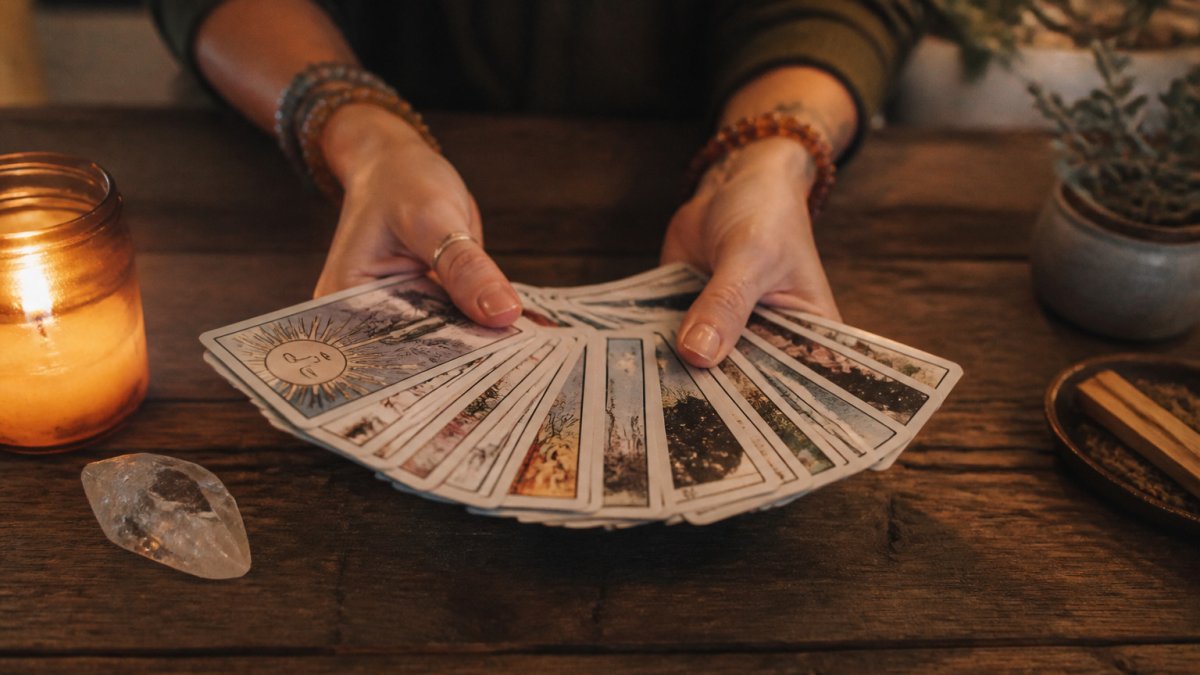
Decks from independent tarot artists are often made by one artist or a small team, and it shows. Each card tends to carry the maker's own hand, color choices and symbolism, which is why two decks with the same 78-card structure can feel entirely different on the table.
Shopping for a deck in a shop, rather than scrolling through thumbnails, lets you feel the card stock and judge the artwork at actual size.
How Your Purchase Reaches the Artist
When you buy a deck directly from an independent creator, more of the sale can reach the person who made it. Revenue passing through a publisher, distributor and retailer is typically split several ways before the artist sees a share. The exact split depends on the deal each artist has made, so no single figure applies to every deck. Asking the seller or checking the creator's own site is the surest way to learn how a particular purchase is shared.
There are three common paths a deck purchase can take, and each one changes how much of your money reaches the artist:
- Direct from the creator. Buying through the artist's own website or at an in-person event like a convention or shop signing usually means the artist keeps the largest share after production and payment-processing costs. This is often the most direct way to support the person who made the deck.
- Through a retailer. When you buy from a shop, the retailer buys wholesale from the artist or publisher and sells at a retail markup. The artist's share is set at the wholesale level, so the retailer's margin does not come out of the artist's pocket, but the artist also does not benefit from the retail markup.
- Through a crowdfunding campaign. Backing a project on a platform like Kickstarter means your payment is often collected before the deck is printed. The creator uses those funds to cover production, and platform and payment-processing fees are deducted from the total raised. Backers may wait months for delivery, and the creator bears the risk if production costs rise.
A useful rule of thumb: the shorter the chain between you and the artist, the more of your purchase can support the creative work. That does not make retail or crowdfunding bad choices, each channel serves a purpose, but it helps to know which one you are using.
Kickstarter's creator handbook on funding and fees
Artist-Designed Tarot Decks and Their Visual Range
Artist-designed decks cover a wide stylistic range, from Rider-Waite-Smith-inspired structures to fully original visual systems. The Tarot Neocolonial de las Americas, created by artist Patrick McGrath Muñiz, shows how a deck can build its imagery around a specific cultural and visual vision. Its box measures 4.68" x 7.18" and the 78 cards measure 2.75" x 5.34".

If you prefer a different approach, the Global Fusion Intuitive Tarot Deck, by Wayne Rodney, takes a more eclectic path. Comparing two decks like these side by side is a quick way to find the visual language you respond to.

Ethical Buying, Fair Pay and Cultural Representation
Buying ethically means asking where a deck came from and who was paid for it. A practical guide to buying ethically sourced decks walks through the questions to ask before you buy. Independent work often involves a single creator building the entire project, which makes fair compensation easier to trace than in a large mass-produced line. But ethical buying also means understanding the business side of independent publishing, pricing, licensing, and royalties, so you can support artists without expecting unpaid labor or full rights to their artwork.
Transparent pricing and production costs. Independent decks often cost more than mass-market decks because the artist is covering illustration time, printing, shipping, and platform fees without a large publisher's economies of scale. A higher price is not automatically a red flag; it often reflects the true cost of small-batch production. If a price seems unusually low for original artwork, it is fair to ask how the artist was compensated.
Licensing and rights. When you buy a deck, you are buying the physical cards, not the copyright to the artwork. Reproducing card images for commercial use, merchandise, or resale generally requires the artist's permission. Some artists offer licensing options for readers who want to use card images in professional readings or online content; others do not. Checking the creator's terms is a simple way to respect their work.
Tarot Neocolonial de las Americas →
Royalties and work-for-hire. In traditional publishing, an artist may receive an advance and royalties on sales, or may be paid a flat fee under a work-for-hire arrangement where the publisher owns the copyright. Independent and self-published decks often keep copyright with the artist, which is one reason supporting independent creators can mean supporting ongoing creative control. When a deck credits both an artist and an author, that is a signal that the creative labor was shared and, ideally, compensated.
Cultural representation. Decks drawing on a particular tradition are stronger when the artist has a genuine connection to it. Look for decks that name their artist and author clearly. Respectful representation also means the creator has done research and credits their sources; if a deck draws on a closed or specific tradition, it is reasonable to ask how the artist approached that material.
Supporting independent tarot artists ethically is not only about where you spend your money. It also means respecting copyright, asking fair questions, and recognizing that creative labor has value beyond the physical cards.
How to Choose a Tarot Deck You Will Actually Use
The best deck is the one you pick up regularly. Start with three questions:
- Do you like the art? You will look at it for hours, so favor imagery that feels right to you.
- Is the guidebook useful? Beginners often benefit from a deck with a clear booklet, such as the One World Tarot Deck/Book Set, which includes a guidebook by Lena Rodriguez.
- Does the size suit your hands? Shuffling a large, stiff deck gets frustrating fast.
Our advice is to handle a deck before committing, if you can. A deck that looks stunning online can feel awkward in your hands.
How Tarot Deck Crowdfunding Supports Creators
Crowdfunding lets creators fund a print run before it exists. Backers often pay in advance, which covers production costs and reduces the financial risk of making a deck at all. This model is one reason independent artists can release work that a traditional publisher might never take on.
Before backing a project, check the creator's track record, the timeline and what the reward tiers actually include.
Caring for Your Tarot and Oracle Decks After You Buy
A well-kept deck lasts for years. Store cards in their box or a soft pouch, keep them away from direct sunlight and avoid handling them with damp or oily hands.
For Heaven's Sake has served the Denver metro area since 2000 from our Lakewood shop at 2680 Youngfield Street, Lakewood, Colorado 80215. Come see the decks in person, ask questions and find one that fits you. Go Shopping today.
Frequently Asked Questions
What makes a tarot deck independently published?
An independently published tarot deck is usually created and released by the artist or a small press rather than a large publishing house. The creator often controls the artwork, card meanings, and guidebook, and may fund the first print run through a direct sale or a crowdfunding campaign. Because fewer people sit between the artist and the buyer, more of each purchase tends to reach the person who made the deck. When you shop at For Heaven's Sake, you can browse artist-designed decks such as the Tarot Neocolonial de las Americas, the Napo Tarot Deck, and the Mythologia Fennica Tarot.
How does buying an independent tarot deck support its artist?
Buying an independent deck provides direct income for the artist's creative labor, which covers illustration time, card design, printing, and packaging. Artists who sell their own decks can often keep a larger share of each sale than they would under a traditional publishing contract. Repeat purchases and reviews also help a creator decide whether to make a follow-up deck. Supporting an artist this way makes it more likely that new, original work will keep appearing on shop shelves.
What should I look for when choosing an indie tarot deck?
Start by checking the card size, since a deck that fits comfortably in your hands will be easier to shuffle and read. Look at the listing details for the number of cards, whether a guidebook is included, and the language of the card titles. Then look at the artwork and decide whether the style, symbolism, and color palette speak to you. Reading the artist's description helps you understand the deck's intent. For Heaven's Sake lists each deck's specifications so you can compare them before you buy.
How can I support tarot artists if I cannot buy a deck?
You can support tarot artists by leaving honest reviews, sharing their decks with friends, and following their work on social media. Attending local events where artists sell or present their work also helps them reach new buyers. Asking your local shop to stock independent decks sends a clear signal about demand. Each of these steps increases an artist's visibility at no cost to you.
