

Quick Summary
The most common mistakes when buying gemstones online are trusting photos taken in flattering light, assuming a listing is accurate without checking the seller, and skipping treatment disclosure and certification checks. Buyers also overlook return terms and shipping protection. Checking each of these before you pay helps you avoid most problems.
- Ask for several natural-light photos and video, since one edited image can misrepresent color.
- Verify the seller's business name, address, phone number, and return policy before buying.
- Ask in writing whether the stone is natural, synthetic, or treated before you check out.
- Match the report number and details to the listing, then verify it on the laboratory's own website.
- Save the listing, photos, and seller messages, and pay with a method that offers buyer protection.
Table of Contents
- Why Buying Gemstones Online Goes Wrong
- Mistake 1: Trusting Photos Without Checking Color and Lighting
- Mistake 2: Assuming a Listing Is Accurate Without Checking the Seller
- How to Tell If a Gemstone Is Real Before You Buy
- Mistake 3: Overlooking Treatment Disclosure
- Mistake 4: Skipping Certification and Identification Reports
- Protecting Your Purchase: Returns, Shipping and Payment Checklist
- What to Do When Your Gemstone Arrives
- Frequently Asked Questions
Common Mistakes When Buying Gemstones Online
Last Updated: November 1, 2026
Why Buying Gemstones Online Goes Wrong
Buying gemstones online is convenient, but it removes the things you would check in person. You cannot hold the stone, turn it under daylight, or ask the seller hard questions face to face. The same few mistakes come up again and again. Most of them are easy to avoid once you know what to look for.
Here is the short version. Most problems come from trusting a photo, trusting a listing, or skipping paperwork. Each of these is fixable.
The sections below walk through the mistakes buyers make most often. We also cover what to do before you pay and what to check when your stone arrives.
Mistake 1: Trusting Photos Without Checking Color and Lighting
A photo can make a stone look richer, clearer, or brighter than it really is. Lighting, screen settings, and editing all change how color appears. A stone shot under warm studio lights can look nothing like the same stone in your living room.
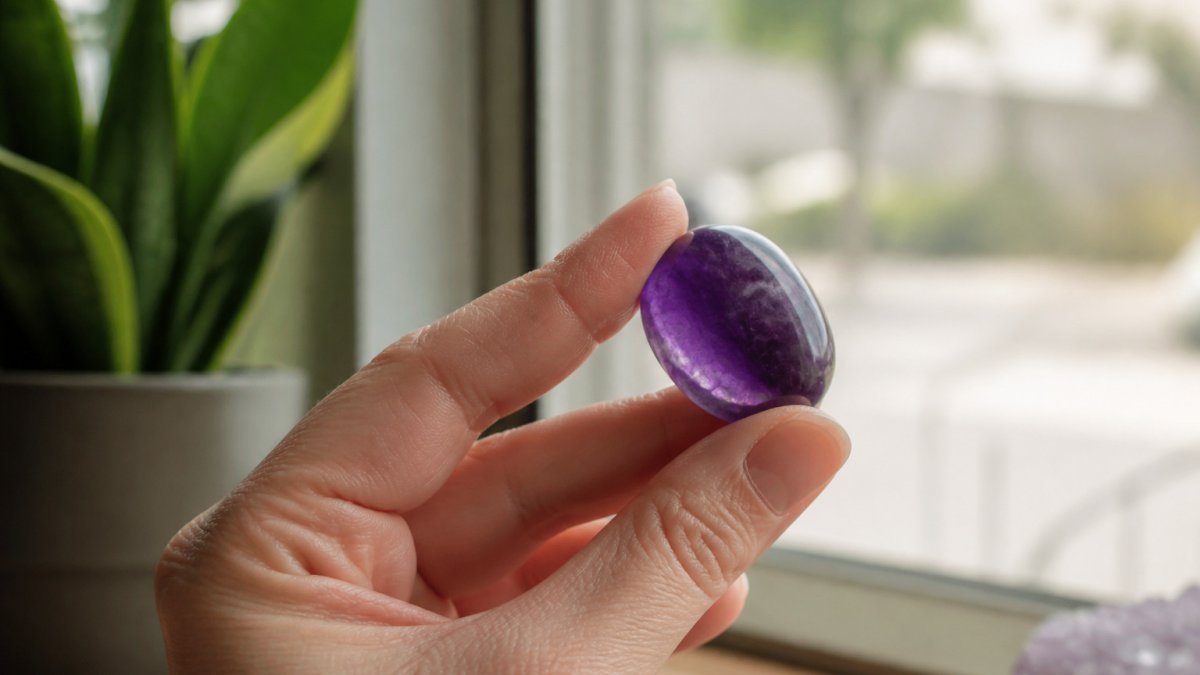
Look for several photos taken in natural light. If a seller shows only one tightly edited image, ask for more. Compare the photos against the stone's listed color, and be wary of listings where every photo looks identical.
Stone that looks glossy in one photo may look dull or cloudy in another. Short video helps even more because it shows movement and how light passes through the stone.
Mistake 2: Assuming a Listing Is Accurate Without Checking the Seller
A detailed listing does not guarantee an honest seller. The listing is marketing copy written to sell a stone; the seller is the party you actually have to trust after checkout. Before you buy, verify the seller and audit the listing against a fixed checklist rather than reading top to bottom and hoping something stands out.
Verify the seller first
- Look for a real business name, a physical address, and a phone number you can call during business hours. A contact form alone is not enough.
- Read reviews on independent platforms, not just testimonials the seller curates on its own site.
- Confirm the return policy is written on the listing page, not buried in a chat message.
- Check whether the seller is a member of a recognized trade organization. Membership is not a guarantee, but it gives you a complaint path if something goes wrong.
- Search the business name alongside terms like "complaint" or "refund" to surface patterns that positive reviews hide.
Audit the listing with a fixed checklist
Run every listing through the same review before you add it to a cart. This is the step most buyers skip, and it is where misleading listings get through.
- Photos. Count them. Look for at least one image in natural daylight and one at an angle that shows the pavilion or back of the stone. A single tightly edited hero shot is a warning.
- Measurements. Confirm the listing gives millimeter dimensions, not just carat weight. Carat weight alone tells you nothing about how large the stone will look on your hand.
- Treatment disclosure. The listing should state whether the stone is natural, synthetic, or simulated, and whether it has been treated. If either is missing, ask in writing before checkout.
- Report details. If a laboratory report is mentioned, the report number and laboratory name should appear in the listing text, not only in an image you cannot read.
- Seller policies. Return window, who pays return shipping, insurance during transit, and the payment methods accepted should all be visible before you pay.
- Price context. Compare the stone to similar listings of the same type, size, quality, and treatment. A price far below the market for comparable stones is a reason to slow down, not a reason to celebrate.
A seller who answers these questions quickly, specifically, and in writing is a good sign. Vague answers, pressure to move to a private messaging app, or requests to pay outside the checkout system are warnings. Walk away from any seller who will not put treatment and return terms in writing.
How to Tell If a Gemstone Is Real Before You Buy
Many buyers ask how to tell if a gemstone is real before paying. A simple test rarely settles it, and home tests can damage some stones. Your best tools are the seller's disclosure, a gemological report, and the stone's appearance in good light.
Look for natural features. Natural stones often have small inclusions, mineral deposits, or slight color variation. Perfectly uniform color and clarity can point to glass, plastic, or a lab-made product. Those are not always scams, but the listing should say so clearly.
A low price is another clue. If a deal looks far below what similar stones sell for, slow down and ask more questions.
Mistake 3: Overlooking Treatment Disclosure
Many gemstones are treated to improve color or clarity. Heat treatment and other enhancements are common, and they are not always bad. The problem is when a treatment is not disclosed.
Gemstone treatments disclosure matters because treated stones usually cost less than untreated ones. Ask the seller directly whether the stone has been treated. A reputable seller will answer clearly and put it in writing.
Watch for listings that describe a stone's color or clarity without mentioning treatment. Silence is not a yes or a no, so ask.
Mistake 4: Skipping Certification and Identification Reports
A gemological report from a recognized laboratory describes a stone's identity, origin claims, and treatments. It is one of the strongest tools a buyer has, but only if you verify it and understand its limits. Most buyers treat a report as a stamp of approval and stop there. That is the mistake.
The Book of Stones, Revised Edition: Who They Are and What They Teach →
Match the report to the stone
A report is only useful if it describes the exact stone in the listing. Before you buy, confirm all of the following:
- The report number in the listing matches the number on the report itself.
- The laboratory name is spelled out, not abbreviated in a way you cannot confirm.
- The stone's weight, dimensions, shape, and cut in the report match the listing.
- The treatment disclosure in the report matches the treatment disclosure in the listing text.
- The report is current, not a scan of an older report for a different stone.
If any of these do not line up, ask the seller to explain in writing before you pay. A mismatch is not automatically fraud, but it is a reason to pause.
Verify the report independently
Most major laboratories offer an online report lookup. Go to the laboratory's own website, enter the report number, and compare the returned details to the listing. Do not rely on a link the seller provides, because a link can point to a copy rather than the laboratory's database. If the laboratory does not offer online lookup, call the laboratory using the contact information on its own website and ask them to confirm the report number.
Gemological laboratory report lookup
Know what a report does and does not guarantee
A report identifies the stone and discloses treatments. It does not guarantee the stone is fairly priced, that the seller is honest, that the stone will arrive undamaged, or that you will be happy with its appearance in person. It also does not replace your own inspection on arrival. Treat the report as one input among several, not as a substitute for the return policy, the payment protection, and the arrival inspection covered elsewhere in this guide.
Not every stone needs a full report. Lower-priced stones may not have one, and that is normal. For higher-priced stones, a verifiable report is worth asking for before you buy, and a seller who resists providing one is telling you something.
Protecting Your Purchase: Returns, Shipping and Payment Checklist
Once you have chosen a stone, protect the purchase before you pay. Use this checklist:
- Read the return window and who pays return shipping on the listing before you buy
- Check whether the item is insured during shipping
- Pay with a method that offers buyer protection
- Keep the listing, photos, and seller messages saved
- Note the tracking number and delivery date
Avoid sellers who ask you to pay outside the checkout system.
Before you pay, check these protections in the listing and at checkout.
| Protection | What to check | Where to look |
|---|---|---|
| Return window | Confirm the return period before buying | Listing page |
| Return shipping | Confirm who pays for return shipping | Listing page |
| Transit insurance | Confirm the item is insured during shipping | Checkout |
| Payment method | Use a method that offers buyer protection | Checkout |
| Records | Save listing, photos, and seller messages | Your device |
What to Do When Your Gemstone Arrives
Open the package and check it against the listing right away. Look at the stone in natural daylight and compare it to the photos you saw.
Check for damage, chips, or anything not described in the listing. Compare the report number with the stone's paperwork. If something does not match, contact the seller at once and keep the packaging.
Report problems quickly. Most return windows are short, and delays can make a claim harder to win.
If you are close to our Lakewood store at 2680 Youngfield Street, you can also see stones in person before you buy.
Frequently Asked Questions
How can you tell if a gemstone is real when buying online?
Start by reading the listing closely. A reputable seller states the stone type, origin where known, dimensions, carat weight, and whether the stone is natural, synthetic, or simulated. Look for clear photos taken in daylight from several angles, and ask for a short video if photos seem heavily edited. Compare the description with the price: an unusually low price for a large, deeply colored stone is a warning sign. If a certificate or gemological report is offered, check that its report number matches the stone and that the issuing laboratory can be confirmed independently.
What should a gemstone certificate include?
A gemological report should name the laboratory that issued it, list a unique report number, and describe the stone's species, variety, shape, cut, carat weight, dimensions, and color. It should also note clarity characteristics and inclusions, and state whether any treatment was detected. Compare the details on the certificate with the listing and the stone itself. Be cautious of documents that come only as an image or that cannot be matched to a laboratory you can contact directly.
What should you look for in an online gemstone return policy?
Read the return window, who pays return shipping, whether the buyer must film the unboxing, and how refunds are issued. Check whether the policy covers stones that differ from the listing in color, treatment, or size. Confirm that the payment method offers buyer protection, and whether the seller provides insurance during transit. Keep all listing screenshots, order confirmations, and messages, because they are your evidence if a dispute arises.
How do you know if an online gemstone seller is reputable?
Look for a physical address, a working phone number, and a return policy stated before checkout. Review feedback over time rather than only the most recent reviews, and read negative reviews to see how the seller responded. Ask specific questions about treatments and origin and judge how clearly they answer. Sellers who disclose details without being pushed are generally a better bet than those who avoid direct questions.
Browse our collection of crystals and gemstones online, or visit us in Lakewood to see them in person.
