

Table of Contents
- What to Expect at Your First Spiritual Workshop
- How to Choose a Spiritual Workshop That Fits Your Path
- Meditation and Mindfulness Sessions for Stress Reduction
- Yoga for Beginners and Inner Peace
- Benefits of Energy Healing Workshops in Denver
- What to Bring to a Spiritual Workshop
- Getting Started: Resources and Beginner-Friendly Tools
- Frequently Asked Questions
Last Updated: September 26, 2026
Starting a spiritual journey can feel overwhelming when you're new to meditation, energy work, or holistic practices, which is why spiritual workshops beginners can attend in the Lakewood area offer such valuable guidance. If you're searching for spiritual workshops for beginners in the Lakewood area, you're taking an important step toward personal growth and inner peace. At For Heaven's Sake, we help you find the right spiritual community and beginner-friendly resources to explore mindfulness, yoga, and other wellness practices.
This guide walks you through what to expect at your first spiritual workshop, how to choose the right path for you, and the practical tools that will help spiritual workshops beginners need to start your journey with confidence.
What to Expect at Your First Spiritual Workshop
Walking into a spiritual workshop for the first time can feel intimidating, but most beginner-friendly sessions create a safe, judgment-free space where you can explore meditation, mindfulness, or energy healing without prior experience.
Expect a calm environment where instructors guide you through breathing techniques or guided meditation (typically 45 minutes to an hour). You'll meet others on similar journeys, building connection and accountability.
Energy healing workshops focus on chakra balancing, reiki, or crystal healing. Instructors explain how energy flows through your body and demonstrate techniques for emotional regulation. Many feel noticeably calmer after their first session.
How to Choose a Spiritual Workshop That Fits Your Path
Choosing your first spiritual workshop requires understanding what you're seeking. Here's a framework for evaluating options.
Step 1: Identify Your Primary Goal
Ask yourself:
- Stress reduction? Meditation and mindfulness sessions focus on nervous system regulation.
- Physical wellness? Yoga combines movement with breath work and spiritual elements.
- Energy awareness? Energy healing and crystal workshops explore chakra balancing and holistic wellness.
- Faith and community? Faith-based programs ground practice in religious tradition.
- Self-discovery? Tarot and journaling workshops support introspection.
Step 2: Evaluate Format Against Your Life
Format determines consistency. In-person workshops offer real-time feedback and community accountability but require scheduling flexibility. Virtual sessions provide flexibility and eliminate commute time but reduce community connection. Hybrid models balance both. Choose based on what you'll actually attend: if irregular hours make weekly in-person classes unrealistic, choose virtual or drop-in sessions.
Step 3: Assess Schedule and Commitment Level
A practice needs 4-6 weeks of regular attendance to show real benefits. Weekly classes build momentum fastest and create accountability. Bi-weekly or monthly workshops work for exploration but rarely create lasting change. Drop-in sessions offer flexibility but require self-discipline. Choose based on realistic commitment: weekly classes for consistent results, drop-in sessions if your schedule is unpredictable.
Step 4: Match Instructor Style to Your Comfort Level
The instructor shapes your experience. Look for: beginner-friendly language (read reviews or attend a free intro), alignment with your worldview (spiritual vs. clinical framing), appropriate pacing, and community focus.
Step 5: Consider Location and Convenience
Convenience significantly increases attendance. A workshop 10 minutes away is far more likely to become a consistent practice than one requiring significant travel.
Step 6: Start with a Trial Period
Most workshops offer free intro sessions, drop-in rates, or introductory packages. Use a trial period to assess instructor style, community fit, and whether the modality resonates with you.
| Decision Framework | Questions to Ask | Red Flags |
|---|---|---|
| Goal Clarity | What am I actually seeking, stress relief, physical fitness, spiritual growth, or community? | Choosing based on what sounds trendy rather than what you need |
| Format Fit | Will I realistically attend weekly in-person, or do I need virtual flexibility? | Picking the "best" workshop if you won't actually show up |
| Schedule Reality | Can I commit to weekly attendance for 6-8 weeks? | Expecting results from sporadic drop-in attendance |
| Instructor Match | Does this instructor's style and pace match my learning needs? | Ignoring reviews or skipping the intro session |
| Location Logic | Is this workshop genuinely convenient, or am I overestimating my commitment? | Choosing based on prestige or reputation rather than practicality |
| Trial Approach | Am I testing before committing, or jumping into a full membership? | Signing up for a 10-week course before attending a single class |
Meditation and Mindfulness Sessions for Stress Reduction
Meditation and mindfulness sessions teach you to observe thoughts without judgment, calm your nervous system, and access inner peace through focused attention and breathing.
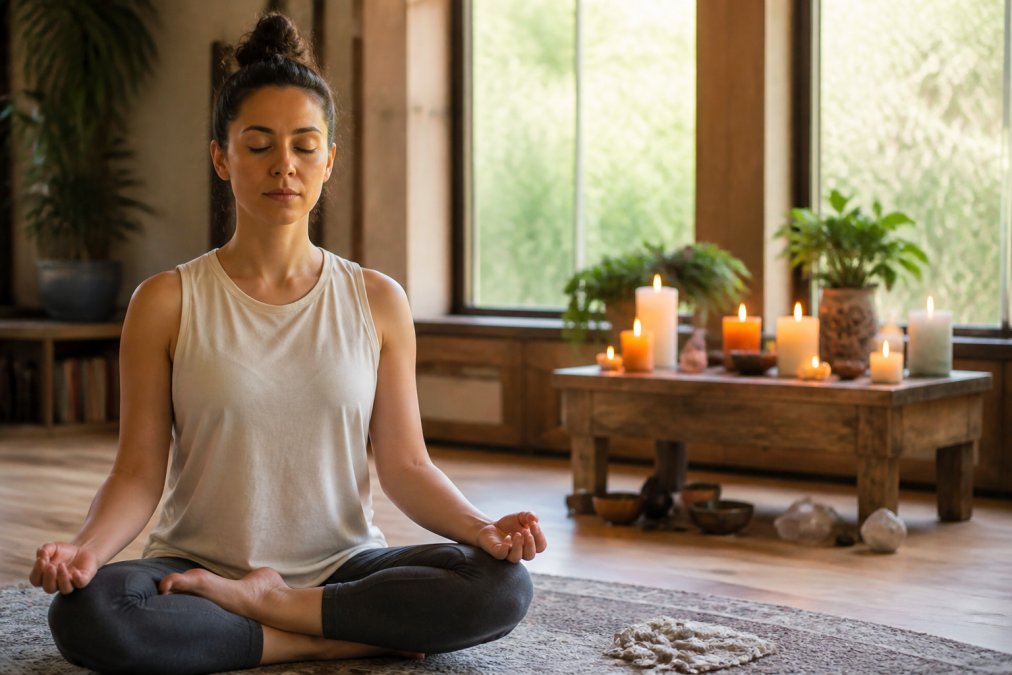
Instructors guide you through body awareness, breath work, and visualization. You'll learn techniques for emotional regulation usable anywhere, at work, home, or before bed. Consistent practice reduces stress and improves focus within weeks.
Mindfulness workshops offer flexibility, try loving-kindness meditation, body scanning, or breath awareness. Drop-in sessions let you explore without committing to a full course.
Chakras for Beginners (Q) Quality →
Yoga for Beginners and Inner Peace
Beginner yoga combines physical movement, breath work, and spiritual awareness. Unlike vigorous classes, beginner sessions prioritize alignment, breathing, and mind-body connection.
Classes start with grounding and breathing, move through gentle poses with modifications for every body, and end with relaxation. The focus is on how you feel, not how you look.
Yoga addresses physical tension and emotional blocks. As you hold poses and focus on breath, you may release stored stress. Consistency matters more than intensity, a gentle weekly practice builds momentum faster than sporadic intense sessions.
Benefits of Energy Healing Workshops in Denver
Energy healing workshops introduce reiki, crystal healing, and chakra balancing, practices based on the principle that physical, emotional, and spiritual well-being connect through energy systems. These workshops demystify esoteric practices and provide concrete techniques.
Understanding Energy Healing: What Beginners Actually Experience
Energy healing rests on the concept that the body contains energy pathways and centers (chakras) that can become blocked, affecting physical health, emotional regulation, and spiritual clarity. Unlike meditation, energy healing teaches you to feel and work with energy through hands-on or proximity-based techniques.
You'll learn how energy flows through meridians or chakras, how to recognize blockages (chronic tension, emotional numbness, fatigue), and techniques to clear blockages and restore flow.
You don't need to believe in energy frameworks to benefit.
Chakra Balancing: The Foundational Energy Framework
Crystal Healing: Tangible Tools for Energy Work
Reiki and Hands-On Energy Work
Sound Healing and Vibrational Frequency
Real Shifts Beginners Report
How to Start: Choosing Your First Energy Healing Workshop
What to Bring to a Spiritual Workshop
Bring comfortable, loose clothing, a yoga mat or blanket, water bottle, and journal. Arrive with an open mind and minimal jewelry. Skip strong perfumes, remove shoes unless instructed, and silence your phone. These gestures show respect for the shared space and community.
Getting Started: Resources and Beginner-Friendly Tools
Books like Chakras for Beginners and Your First Tarot introduce core concepts. Ceremonial supplies like Palo Santo and White Sage enhance practice. A 7 Chakra Bracelet serves as a daily reminder of your spiritual commitment. The Complete Tarot Kit and Divination for Beginners support deeper exploration.


Frequently Asked Questions
What should I expect at my first spiritual workshop?
Your first workshop typically begins with a welcoming introduction from the facilitator, who explains the session's focus, whether meditation, yoga, energy work, or another practice. Expect a mix of instruction, guided practice, and reflection time. Most workshops create a judgment-free space where beginners and experienced practitioners learn together. You'll likely spend time in quiet practice, hear teachings relevant to your spiritual journey, and have opportunities to ask questions. Many people feel nervous at first, but facilitators understand this and create supportive environments for all experience levels.
Are spiritual workshops suitable for absolute beginners with no prior experience?
Yes. Most beginner-focused spiritual workshops are specifically designed for people with no prior experience. Facilitators explain foundational concepts, guide you through practices step-by-step, and encourage questions. Whether you're exploring meditation, yoga, energy healing, or other modalities, workshops labeled 'for beginners' meet you where you are. Many seekers find that starting in a group setting builds confidence and creates community connection. Your only requirement is an open mind and willingness to try something new.
What are the benefits of energy healing workshops in Denver?
Energy healing workshops help you understand how to balance and clear your body's energy systems, often through crystal work, chakra balancing, or guided practices. Participants report reduced stress, emotional clarity, improved sense of well-being, and deeper self-awareness. These workshops also connect you with like-minded community members on similar spiritual journeys. Learning energy healing techniques gives you practical tools for personal growth and emotional regulation. Many people find that combining energy work with meditation or yoga amplifies their overall wellness and spiritual development.
How do I know if a spiritual workshop leader is credible and trustworthy?
Look for facilitators with clear experience, training, or credentials in their specific practice. Ask about their background, how long they've been teaching, and what training they've completed. Trustworthy teachers are transparent about their qualifications and happy to share their story. Reading reviews from past participants and asking for references gives you real insight into their approach. Reputable metaphysical centers vet their facilitators and can speak to their expertise. Trust your intuition too, a good fit means you feel safe, respected, and genuinely supported in your spiritual exploration.
What should I bring to a spiritual workshop?
Bring a water bottle to stay hydrated during practice. Wear comfortable, loose-fitting clothing that allows movement. Consider bringing a journal and pen to capture insights afterward. For meditation or yoga, you might bring a yoga mat if the workshop doesn't provide one, check beforehand. Some workshops benefit from having a small notebook to take notes on teachings. Avoid bringing phones or distracting items. Many workshops provide what you need, but calling ahead ensures you arrive prepared. The most important thing you bring is an open heart and willingness to be present.