

Table of Contents
- Can Crystals Work Alongside Medical Treatment?
- What Crystal Healing Is and How It's Practiced
- Crystal Healing Evidence: What Research Actually Shows
- Crystals and Medication: Safety Considerations
- Crystal Healing Safety and Complementary Use
- Crystals for Stress Relief During Medical Treatment
- How to Talk With Your Healthcare Provider About Crystals
- Conclusion
- Frequently Asked Questions
Last Updated: October 10, 2026
Can Crystals Work Alongside Medical Treatment?
Crystals can support emotional wellness alongside medical treatment, but they cannot replace professional medical care. This guide explains what research shows, safety considerations, and how to discuss crystal use with your doctor.
What Crystal Healing Is and How It's Practiced
Crystal healing is the practice of using stones and minerals for emotional, spiritual, and personal well-being. People who practice crystal healing believe that different crystals carry unique vibrations or energies that can support various aspects of wellness.
Common practices include:
- Carrying crystals in a pocket or wearing them as jewelry
- Placing crystals on specific areas of the body during meditation
- Keeping crystals in your home or workspace
- Using crystals during healing sessions with a practitioner
- Meditating while holding a crystal
People choose specific crystals based on their intended purpose, amethyst for calm, quartz for clarity, or rose quartz for emotional support. The Book of Stones, Revised Edition details nearly 400 stone varieties and their traditional uses.

Crystal healing is considered a complementary therapy. This means it's used alongside other practices, not instead of them. Many people combine crystal use with meditation, yoga, journaling, or other wellness activities.
Crystal Healing Evidence: What Research Actually Shows
Research has not shown that crystals can cure illness, treat disease, or directly heal physical conditions.
Research shows:
- Placebo effect: People feel better using crystals due to belief, not intrinsic crystal properties.
- Vibration and energy claims: These lack scientific support and don't translate to healing effects in humans.
According to the National Center for Complementary and Integrative Health, complementary therapies like crystal healing should not replace evidence-based medical treatment for serious conditions.
If you have a medical condition, crystals should never be your primary treatment. They may provide emotional comfort but cannot substitute for professional medical care.
Crystals and Medication: Safety Considerations
Crystals don't contain compounds that interfere with medications. However, real safety risks are behavioral and situational, not chemical.
Low-risk practices: Carrying, wearing, or placing crystals; holding them during meditation; using them for intention-setting. These pose no threat to medical treatment.
Higher-risk practices:
- Ingesting crystals: Some contain toxic elements like fluorite, malachite, or azurite that leach into water. Never ingest without medical guidance.
- Untested crystal jewelry: May contain lead or heavy metals. Discontinue if skin irritation develops.
- Heat application: Heated crystals can cause burns, especially with reduced sensation.
- Delaying medical care: The highest risk. Seek emergency care immediately for chest pain, difficulty breathing, severe bleeding, stroke signs, or acute injury.
The practitioner-pressure risk:
Some crystal practitioners or wellness coaches may discourage you from following medical advice, suggest that crystals can replace medication, or pressure you to stop prescribed treatment. This is a red flag. A responsible practitioner will:
- Never claim crystals can cure serious illness
- Never advise you to stop or reduce medication without your doctor's approval
- Never discourage you from seeking professional medical care
- Acknowledge that crystals are complementary, not primary treatment
- Support your medical decisions and encourage transparency with your healthcare team
If a practitioner makes cure claims, pressures you to abandon treatment, or dismisses your doctor's recommendations, stop working with them and report the interaction to your state's consumer protection office if applicable.
Medication and crystal use: the practical approach
Your medications are doing the clinical work. Crystals can support your emotional state, reduce stress, and enhance your sense of agency, all of which may indirectly support your overall recovery. But they are not treating your condition. Keep this distinction clear in your mind and in conversations with your healthcare provider. If you take medications and want to use crystals, the safest approach is to treat crystals as a wellness practice for stress relief, meditation, and spiritual reflection, not as a treatment for your medical condition. Inform your healthcare provider about all practices you're using, including crystal work, so they have a complete picture of your wellness routine.
Crystal Healing Safety and Complementary Use
Using crystals safely means understanding their role, limitations, and how to spot claims or practitioners that cross ethical lines.
Safe complementary practices:
- Use crystals for emotional support, meditation, and personal reflection
- Wear crystal jewelry as a reminder of your intentions or values
- Keep crystals in your space for aesthetic and spiritual purposes
- Use crystals as part of a broader wellness routine that includes exercise, sleep, stress management, and professional medical care
- Participate in crystal healing sessions with practitioners who do not claim to treat medical conditions
- Combine crystal use with evidence-based therapies like counseling, physical therapy, or medication
Practices and claims to avoid:
- Never use crystals to diagnose or treat a medical condition without professional medical guidance
- Don't replace prescribed medication with crystal healing
- Avoid ingesting crystal-infused water, powdered crystals, or crystal elixirs
- Don't delay medical treatment while trying crystal healing
- Don't rely on online crystal recommendations or social media posts for serious health concerns
- Avoid practitioners who guarantee cures or promise to replace medical treatment
How to evaluate crystal-healing claims and practitioners:
The wellness industry includes many sincere, ethical practitioners, and some who make exaggerated or false claims. Use this checklist to assess whether a crystal practitioner or product is trustworthy:
Red flags, avoid these practitioners or claims:
- Claims that crystals can cure cancer, diabetes, heart disease, or other serious medical conditions
- Promises that crystals can replace medication or medical treatment
- Pressure to stop taking prescribed medications or to avoid doctor visits
- Testimonials presented as proof of medical efficacy ("This crystal cured my arthritis")
- Vague language about "energy" or "vibrations" without acknowledging lack of scientific evidence
- High-pressure sales tactics or claims that you must buy expensive crystals for results
- Refusal to acknowledge that crystals are complementary, not primary treatment
- Practitioners who are not transparent about their qualifications or training
- Claims that crystals work through mechanisms that contradict established physics or biology
Green flags, signs of a responsible practitioner:
The Book of Stones, Revised Edition: Who They Are and What They Teach →
- Clear statement that crystals are complementary, not a substitute for medical care
- Encouragement to continue working with your healthcare provider
- Willingness to discuss the lack of scientific evidence for crystal healing
- Honest acknowledgment that benefits are often emotional, spiritual, or psychological rather than medical
- Respect for your medical decisions and treatment choices
- Transparent pricing and no pressure to buy expensive or rare crystals
- Willingness to discuss potential risks or contraindications
- Recognition that crystal healing is a personal or spiritual practice, not a clinical treatment
Complementary use in practice:
Complementary means the crystals support your overall well-being while your medical team handles treatment. Think of it this way: crystals might help you feel calmer, more grounded, or more intentional during a stressful medical situation, but they are not doing the actual healing work. Your medication, surgery, physical therapy, or other medical interventions are responsible for treating your condition.
If you're using crystals alongside medical treatment, monitor yourself honestly. Ask:
- Am I still taking my medications as prescribed?
- Am I keeping my medical appointments?
- Am I following my doctor's recommendations?
- Am I delaying any medical care because I'm relying on crystals?
- Do I feel supported by both my medical care and my crystal practice?
If the answer to any of the first four questions is "no," or if you're uncertain, talk with your healthcare provider. Your medical care comes first.
Crystals for Stress Relief During Medical Treatment
One area where crystals genuinely can help is managing stress and anxiety during medical treatment.
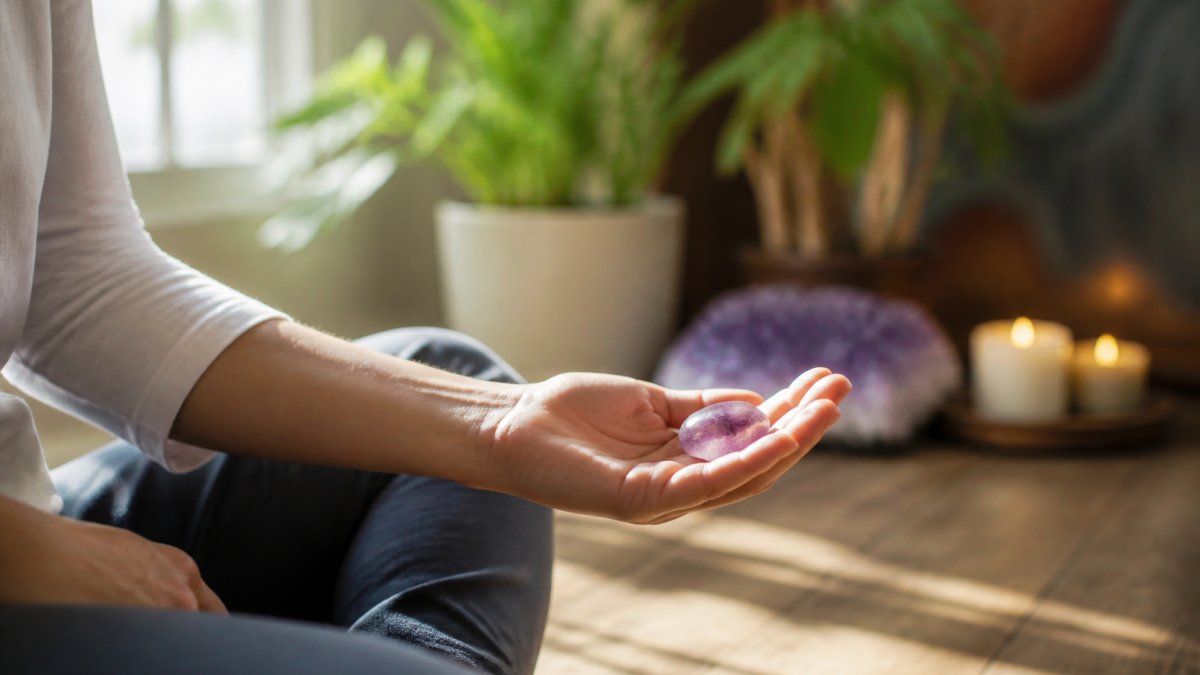
Medical treatment often brings emotional challenges. Whether you're undergoing surgery, managing a chronic condition, or attending frequent appointments, the stress itself affects your well-being. This is where crystals can play a supportive role.
Many people find that holding a crystal during meditation or stressful moments provides:
- A calming ritual or grounding practice
- A physical reminder to breathe and pause
- A sense of control or agency in their wellness
- Comfort through a meaningful object
These benefits are real, even though they come from the practice itself rather than the crystal's intrinsic properties. If holding an amethyst crystal during your doctor's appointment helps you stay calm and present, that has genuine value.
The practice of using crystals for stress relief is safe and can complement other stress-management techniques like deep breathing, meditation, or talking with a therapist.
How to Talk With Your Healthcare Provider About Crystals
Many people hesitate to mention crystal use to their doctor. You might worry about being judged or dismissed. But having an honest conversation with your healthcare provider is important.
Here's how to approach it:
Step 1: Be direct and honest Tell your doctor you're interested in using crystals as part of your wellness routine.
Example: "I'm interested in using crystals for stress relief and meditation while I continue my prescribed treatment. I wanted to let you know."
Step 2: Ask specific questions
- Will crystals interfere with my medication or treatment?
- Is there any reason I shouldn't use crystals alongside my current care?
- What stress-relief practices do you recommend?
Step 3: Listen without defensiveness Your doctor may have concerns or suggestions. Listen to their perspective. They're focused on your safety and treatment outcomes.
Step 4: Be clear about your commitment to medical care Emphasize that you're using crystals for emotional support and spiritual practice, not as a medical treatment.
Step 5: Follow up If your doctor has concerns, ask what would make them more comfortable. Some doctors are open to complementary practices if they don't interfere with medical care.
Most healthcare providers are supportive of practices that reduce stress and support emotional well-being, as long as they don't replace necessary medical treatment.
Conclusion
Can crystals work with medical treatment? Yes, but with important caveats. Crystals can support your emotional wellness, provide comfort, and enhance your stress-management routine while you receive professional medical care. They cannot cure illness, treat disease, or replace medication.
The strongest approach is transparency and balance: use crystals as one part of a comprehensive wellness practice that includes medical treatment, professional support, and healthy habits. Talk openly with your healthcare provider about what you're doing. This builds trust and ensures your crystal practice complements rather than conflicts with your care.
If you're exploring crystals for the first time, resources like The Book of Stones or Crystal Prescriptions can deepen your understanding of different stones and their traditional uses. At For Heaven's Sake in Lakewood, our team can help you find crystals that resonate with your intentions and answer questions about how to use them thoughtfully alongside your wellness routine.

Frequently Asked Questions
Can crystals work alongside medical treatment?
Crystals can be used as a complementary practice to support emotional wellness while you receive medical care, but they should never replace prescribed treatment or professional medical advice. Many people find crystals helpful for stress relief and personal comfort during medical journeys. The key is viewing crystals as a wellness tool that works alongside, not instead of, conventional medicine.
What does research say about crystal healing?
Scientific evidence does not support crystals as a treatment or cure for physical illness. Most perceived benefits come from the placebo effect and the calming ritual of using crystals. However, if a crystal practice reduces stress or promotes relaxation, those emotional benefits can support overall wellness. Always rely on clinical research and your healthcare provider for medical decisions.
Can I use crystals if I'm taking medication?
Crystals themselves do not interact with medications. You can safely wear or carry crystals while taking prescribed medications. However, never stop, reduce, or change your medication based on crystal use. If you're interested in using crystals as part of your wellness routine alongside medical treatment, discuss this with your healthcare provider to ensure it fits your overall care plan.
How do I use crystals safely as a complementary practice?
Use crystals as tools for personal reflection, stress relief, and spiritual connection, not as medical treatment. Carry them, wear them as jewelry, or place them in your space. Keep your healthcare provider informed about all wellness practices you use. Never delay or avoid medical care because of crystal use. View crystals as part of self-care that supports your emotional well-being during medical treatment.